
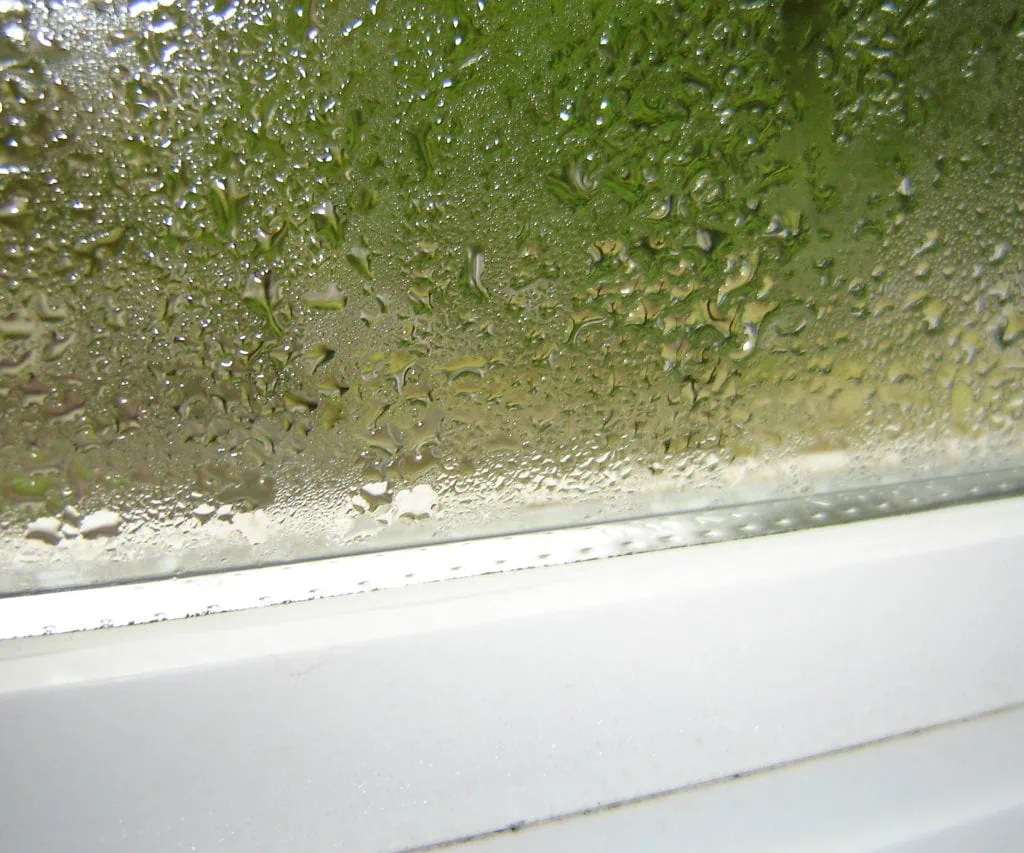
There’s a lot to know about how indoor humidity affects paint dry times: high humidity can extend drying by hours or days and promote mildew, while very low humidity can cause fast skinning, poor adhesion, and visible brush marks. You can control drying by adjusting ventilation, using dehumidifiers or heaters, and scheduling work when relative humidity is between 40–50% so your project finishes faster and lasts longer.
Key Takeaways:
- Higher indoor humidity slows water and solvent evaporation, increasing tack time and lengthening dry and recoat times.
- Very low humidity speeds drying but can cause poor film formation, cracking, or adhesion problems; most interior paints perform best around 40–60% relative humidity.
- Control drying with ventilation, fans, dehumidifiers, or HVAC, and follow the paint manufacturer’s dry/recoat guidelines and humidity limits.
Understanding Humidity
Definition of Humidity
Humidity measures the amount of water vapor in the air; you usually work with relative humidity (RH), expressed as a percentage of the maximum moisture air can hold at a given temperature. For painting, target ranges like 40–60% RH are ideal: higher values slow drying and can trap solvents, while lower values speed evaporation and can cause poor film formation.
Types of Humidity
Common metrics are relative humidity, absolute humidity, and dew point; each affects how water condenses, evaporates, and interacts with paint binders. You’ll check RH for room conditions, use dew point to avoid condensation on cold surfaces, and consider absolute values when comparing climates or HVAC performance.
- Relative humidity — percent of saturation at current temperature.
- Absolute humidity — grams of water per cubic meter of air.
- Dew point — the temperature at which air becomes saturated and condensation forms.
- Vapor pressure — drives moisture movement through walls and paint films.
- Any RH above 70% typically causes significantly longer dry and cure times and increases the risk of mold.
| Relative humidity | 50% RH — typical indoor target; water-based paint often dries to the touch in 30–60 minutes. |
| Absolute humidity | 10 g/m³ vs 20 g/m³ — higher absolute moisture slows solvent evaporation independent of temperature. |
| Dew point | If surface temperature < dew point, condensation forms; avoid painting if dew point is within 3°F of surface. |
| Vapor pressure | High vapor pressure differentials drive moisture through substrates, causing blistering or adhesion loss. |
| Practical impact for painters | At 80% RH, you might see full-cure times extend from days to weeks and an increased chance of mildew. |
You’ll notice in real jobs that coastal basements at 65–80% RH often require dehumidifiers and extra drying time; a typical latex coat that normally allows recoat in 2–4 hours at 45% RH can need 12–24 hours at 75% RH. Use hygrometers to log RH hourly during drying to adjust ventilation or heating and avoid blistering and poor adhesion.
Importance of Humidity in Indoor Spaces
Humidity directly affects paint drying, adhesion, and indoor air quality: over 60% RH increases mold risk and can prolong cure times. In comparison, RH below 30% may cause rapid skinning, trapping solvents, and weakening the film. You should control both RH and temperature to achieve the expected manufacturer’s dry and recoat windows.
In one case, a finished basement at 75% RH left two coats tacky after 48 hours and caused surface whitening. Bringing the RH down to 45% with a dehumidifier and raising the temperature to 70°F restored expected drying, allowing recoats within 6–8 hours. For reliable results, target 40–55% RH, use fans, or run the HVAC to keep dry times predictable.
The Science of Dry Time
What is Dry Time?
Dry time is the window from application to when paint is safe to touch or recoat; for water-based paints at 50% relative humidity, you’ll often see surface dry in 30–60 minutes and recoat ready in 2–4 hours, while oil-based systems may be tack-free in 6–8 hours and fully cure over days. If your room has >60% humidity or poor ventilation, those benchmarks stretch considerably. The higher the air moisture, the slower the evaporation and curing processes.
Factors Influencing Dry Time
Multiple factors shift real-world dry times: raising the temperature from 50°F to 70°F can roughly halve latex drying time, while increasing relative humidity from 40% to 70% can double it; adding fans or HVAC airflow typically trims dry time by 20–40%. Paint chemistry matters too—high-solids enamels and oil-modified formulas cure more slowly than low-VOC acrylics. The net effect on your schedule can be dramatic.
- Humidity — slows solvent evaporation and extends dry time
- Temperature — lower temps reduce reaction rates
- Airflow — moves moist air away, speeding evaporation
- Paint type — solvent content and binders control cure speed
- Surface porosity — porous substrates can alter surface vs. full cure
The combined influence of these variables can change a manufacturer’s listed dry time by several-fold.
You can quantify effects: in a winter garage at 55°F and 70% RH, a latex recoat that’d normally be ready in 4 hours can require 18–24 hours; using a 1,500 CFM fan plus a dehumidifier often cuts that to under 8 hours. Professional painters commonly use dehumidifiers, portable heaters, and 3–6 ACH (air changes per hour) to control conditions, and you should avoid over-thinning paint by more than 10% to prevent extended cure or poor film formation. The
- Dehumidifier — removes moisture, restoring manufacturer times.
- Heater — raises ambient temperature to speed chemical reactions
- Fan / Ventilation — increases evaporation and lowers RH locally
- Paint selection — choose faster-drying formulations when time-sensitive
- Proper thinning — keep within manufacturer limits to avoid slow cure
The right combination of controls can reduce a delayed dry time from 24+ hours down to under 6 hours.
Humidity’s Impact on Paint Drying
How Humidity Affects Solvent Evaporation
You’ll notice that higher relative humidity slows solvent evaporation for waterborne paints, often turning a 1–2 hour dry-to-touch into a 3–6 hour wait at >70% RH; lower humidity speeds evaporation but can cause surface skinning and poor film formation if too rapid. In practice, keeping RH between 40–60% gives the most consistent results for interior jobs.
- Relative humidity
- Evaporation rate
- Waterborne paints
- Assume that at >75% RH, your finish may remain tacky for several hours
The Role of Surface Temperature
Surface temperature controls how quickly solvents leave the film: a cool surface (below 50°F/10°C) can halt curing, while a hot surface (above 85°F/29°C) may force rapid evaporation and cause cracking or uneven sheen; aim for surfaces in the manufacturer’s recommended range for reliable results.
Surface Temperature vs. Effect
| Surface <50°F (10°C) | Very slow drying, extended tackiness, risk of incomplete film formation |
| 50–70°F (10–21°C) | Controlled drying for most latex and alkyd paints |
| 70–85°F (21–29°C) | Optimal for faster cure without defects for many interior paints |
| >85°F (29°C) | Fast evaporation, possible flashing, lap marks, and reduced open time |
When you manage surface temperature, you control both evaporation and chemical curing; use temporary heaters or defer work on cold walls, and avoid painting on sun-heated drywall where rapid surface drying will harm leveling and adhesion.
- Surface temperature
- Evaporation control
- Heating and ventilation
- Assume that adjusting the surface temperature by 10–15°F can noticeably change dry times.
Effects on Different Types of Paint
You’ll see varied responses: waterborne latex is highly sensitive to RH, often doubling dry times at >70% RH; alkyd/oil-based paints rely more on solvent composition and less on RH, but are still slow in cool, humid air; specialty coatings like urethanes often need low RH to cure properly.
Paint Type and Humidity Impact
| Waterborne latex | Dry-to-touch 1–2 hrs at 40% RH; 3–6+ hrs at >70% RH; risk of blushing |
| Acrylic latex | Similar to latex but better film formation in moderate RH; extended recoat times in high RH |
| Alkyd / oil-based | Dry-to-touch 6–8 hrs typical; less RH-sensitive but slow in cool/humid conditions |
| Enamel & specialty urethanes | Require controlled RH (often <60%) for proper cure and hardness |
| Primers | Some primers blush or fail to dry uniformly at high RH; follow product limits |
For best results, choose paint systems matched to your environment: pick high-solids or fast-cure formulations for damp basements, and allow extra recoat time for latex at high RH; monitoring RH with a hygrometer gives predictable scheduling.
- Waterborne sensitivity
- Alkyd tolerance
- Specialty curved windows
- Assume that selecting the right chemistry and waiting for optimal RH can prevent costly callbacks.
Recommendations for Painters
Ideal Humidity Levels for Painting
Aim to keep indoor relative humidity between 40% and 50% when you paint; most latex systems dry efficiently in that band. If humidity climbs above 60%, expect significantly longer tack and cure times and a higher risk of blushing and adhesion problems. Conversely, RH below 30% can speed surface drying too fast and cause poor film formation, so you should target the mid-range for predictable results.
Strategies to Control Humidity
Use a reliable hygrometer, your HVAC system, and portable dehumidifiers (common sizes: 30–70 pints/day) to achieve the 40–50% target. You should also run bathroom/kitchen exhaust fans during and after work, keep doors and windows closed while dehumidifying, and position fans to circulate air across painted surfaces for uniform drying.
Pick a dehumidifier sized to the space—about 30–50 pints for a single room and 50–70+ pints for basements or large open areas—and run it continuously until the paint reaches its recommended tack, then recoat the windows. Place the unit near the work area but not so close that it blows dust onto wet paint, and monitor RH hourly with a digital hygrometer. When temperatures are below ~50°F, switch to a desiccant unit if needed. Also, eliminate internal moisture sources: delay showers and cooking, move wet laundry, and avoid unvented combustion heaters because they both raise humidity and pose safety hazards.
Timing Your Painting Projects
Schedule interior jobs for days when your home’s HVAC can maintain about 65–75°F and 40–50% RH; many manufacturers suggest recoat times of ~4 hours at 77°F/50% RH for latex, while at 70% RH, that same coat may need 24 hours or more. You should avoid painting immediately after heavy indoor moisture events, such as showers or dishwashing.
Plan the sequence so you paint ceilings first, then walls, allowing the HVAC/dehumidification system to operate between coats. For multi-coat or high-gloss systems, build in longer drying windows during humid spells and run dehumidifiers overnight if needed. Test a small patch under your exact conditions to verify dry and recoat times, and consult the paint’s technical data sheet for manufacturer-specific guidance—many brands publish dry-time charts tied to temperature and RH that you should follow for warranty-safe results.
Common Challenges Faced by House Painters
Delayed Drying Times
High indoor humidity slows solvent and water evaporation, so you’ll see longer tack times and extended cure windows; ideal conditions are roughly 40–50% RH at 50–85°F. For example, a latex coat that’s tack-free in 1–2 hours at 70°F/50% RH can take 4–8+ hours when RH exceeds 70%, and overnight drying may stretch to 48–72 hours at very high humidity. Watch the dew point — if your surface temperature is within about 5°F of it, drying can stop entirely.
Issues with Paint Adhesion
When humidity traps moisture in or on substrates, your new finish can fail to bond, leading to common outcomes such as peeling, blistering, and flaking within weeks. Surfaces with elevated moisture or wood with a moisture content above 12–15% are high risk, and bathrooms or basements are often the first to show adhesion problems due to recurring wet air and condensation.
Mechanically, slow evaporation prevents proper coalescence of acrylic binders, leaving a weak film that separates under stress. You can reduce failures by checking substrate moisture with a meter, applying a bonding or alkyd primer when needed, and controlling RH with dehumidifiers or heat until the surface meets manufacturer specs before topcoating.
Risk of Mold and Mildew
Persistent high humidity creates an environment where mold and mildew can colonize paint layers; mold can begin developing on wet materials within 24–48 hours if RH stays above ~60% and surfaces remain damp. You’ll see dark spots, staining, and odor most commonly in shower enclosures, basements, and poorly ventilated kitchens.
Mold weakens finish binders and causes staining that standard repainting won’t mask, so you should clean affected areas with an appropriate biocide, remove compromised paint, and use mildew-resistant coatings. Long-term control requires ventilation upgrades, continuous RH control below 50%, and addressing the underlying moisture source before repainting.
Tools and Techniques for Monitoring Humidity
Humidity Meters and Their Use
You should rely on a calibrated digital thermohygrometer or data-logging hygrometer with at least ±2% RH accuracy; these provide real-time RH, temperature, and, often, dew point. Place meters at paint height and near exterior walls, and log for 24–48 hours to capture swings—many jobs show RH peaks overnight. If you see sustained RH above 60%, expect significantly slower dry times and potential adhesion issues, so plan ventilation or dehumidification before applying topcoats.
Advancements in Technology for Painters
New Bluetooth-enabled hygrometers, wireless data loggers, and smartphone apps let you monitor multiple rooms remotely and receive push alerts when RH crosses setpoints, such as 50% or 60%. You can pair thermal cameras to spot cold surfaces near the dew point, and IoT systems link to HVAC or dehumidifiers to run automatically when readings exceed thresholds.
For example, you might deploy three Bluetooth sensors on a basement job and a remote app that logs RH every five minutes; when values rose above 65% the app triggered two 50‑pint dehumidifiers until RH stabilized at 45% in six hours, allowing primer to dry in a single day instead of several. Those combined tools let you quantify savings and reduce recoat uncertainty.
Understanding Humidity Readings
You need to read RH, temperature, and dew point together: RH indicates the moisture content, dew point indicates the risk of condensation, and surface temperature determines whether condensation will form. If your surface temperature is within 3°F (1.5°C) of the dew point, expect condensation and poor adhesion, so delay painting or increase surface temperature and ventilation.
Also note that RH is temperature-dependent: lowering air temperature raises RH even with the same moisture content, so a space that reads 40% RH at 75°F can spike after cooling. Use logged trends to spot daytime versus nighttime swings, set action thresholds (e.g., stop at >60% RH), and combine meters with HVAC or dehumidifiers to control conditions predictably.
Following this, you understand how indoor humidity slows paint drying by reducing evaporation, causing tacky surfaces, extended recoat times, and a higher risk of drips or mildew; lower humidity speeds drying but can impair leveling — control your environment with ventilation, dehumidifiers, and timing to ensure proper cure and a smooth, durable finish.
FAQ
Q: How does high indoor humidity affect paint drying time?
A: High indoor humidity slows solvent and water evaporation from paint, extending tack-free, recoat, and full cure times. Extended wet time increases the risk of sagging, runs, wrinkling, and poor film formation, and can trap moisture beneath the coating, weakening adhesion. To mitigate, painters increase ventilation, run dehumidifiers or HVAC, use thinner coats, choose paints formulated for slower drying in moist conditions, and allow longer recoat intervals according to manufacturer guidelines.
Q: Can very low indoor humidity cause problems when painting?
A: Yes. Very low humidity speeds evaporation, which can cause paint to dry too fast on the surface before it levels, producing brush marks, lap lines, poor flow, and reduced intercoat adhesion. Fast drying can also increase the chance of cracking or a brittle finish. Painters may slow drying by using retention additives (retarders) for waterborne paints, selecting formulations with longer open time, applying slightly thinner coats, controlling room temperature, or raising indoor humidity modestly with a humidifier to improve flow and film formation.
Q: What practical steps do house painters take indoors to manage humidity and ensure proper dry times?
A: Painters measure relative humidity and temperature with a hygrometer, then control conditions using HVAC, dehumidifiers, or humidifiers to hit target ranges (often 40–60% RH, following the paint maker’s specs). They adjust ventilation and air circulation (fans to move air, not blast paint), select appropriate paint types and additives, apply thinner coats and allow extended recoat and cure windows when conditions are humid, avoid painting when condensation is present or RH is very high (e.g., above 80–85%), and follow manufacturer dry-time charts because published times assume specific temperature and humidity levels.

Tyler Finnigan, founder of Finn’s Painting Company, brings a lifetime of craftsmanship and dedication to his work. Raised alongside his father, Tyler honed his construction and finishing work skills, learning the value of precision and excellence. After serving in the United States Marine Corps, where he developed discipline and leadership, Tyler expanded his expertise in the luxury sector, mastering high-end project management and exceptional customer service. Today, he combines these experiences to deliver outstanding interior and exterior painting services rooted in integrity and attention to detail. Tyler’s commitment to quality ensures every home shines with beauty and lasting craftsmanship.