
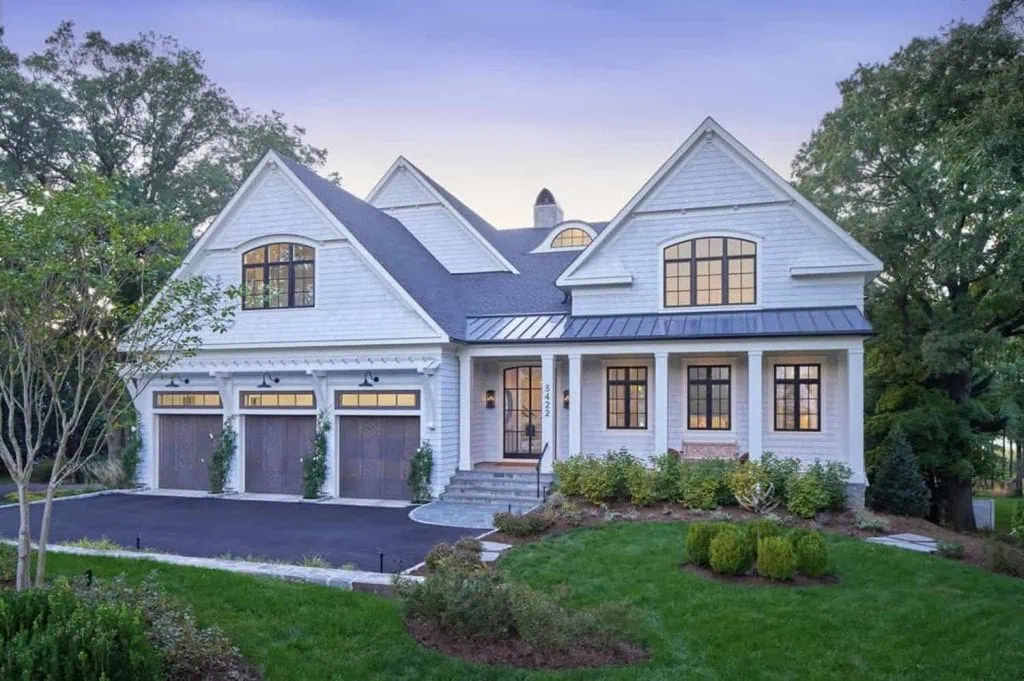
Why prep is everything on the Chesapeake
Annapolis weather throws a full mix at your siding—summer sun, salty breezes, fall nor’easters, and winter freeze–thaw. Paint is only as strong as what’s beneath it. Diligent prep removes the grime and loose film that block adhesion, seals the seams where water sneaks in, and sets a smooth, primed surface so your finish coats actually last. Skip these steps, and you invite flash-through patches, early peeling, swollen wood, and color fade bands long before the next season.
If you’d like help executing this checklist or want a pro to take it from washing through topcoats, our crew handles full exterior prep and finishing for local homes—see our process on the exterior painting page.
When to schedule exterior prep in Annapolis
- Aim for dry stretches. You need at least 24–48 hours of dry weather after washing before you scrape and prime; longer for shaded, north-facing walls.
- Watch dew points. High overnight humidity slows dry times. Start late morning, so surfaces are warm and dry before evening.
- Avoid peak pollen. Heavy spring pollen can cling to wet paint; rinse surfaces again if yellow film returns between steps.
- Mind shade lines. Work sunlit elevations first so they’re dry when you return to scrape and sand.
A quick tool and materials checklist
- Garden hose with soft-wash sprayer or low-pressure washer
- Exterior detergent and mildew cleaner (for organic staining)
- Stiff-bristle brush and extension pole
- 5-in-1 scraper, carbide scraper, putty knives
- Medium/fine sanding sponges; 80–150 grit paper
- Painter’s plastic, quality exterior tape, and drop cloths
- Paintable exterior caulk (high-grade elastomeric or siliconized acrylic) + backer-rod
- Wood epoxy or exterior wood filler (for small repairs)
- Substrate-specific primers (bonding, stain-blocking, alkali-resistant, or rust-inhibitive)
- Safety gear: gloves, eye protection, masks/respirators where dust is present; sturdy ladders
Step 1: Washing—start clean so paint can stick
Why it matters: Dirt, salt, chalky pigment, and mildew form a barrier between your siding and fresh paint. Clean siding is the difference between a coat that bonds and one that lifts.
How to do it:
- Pre-rinse from the bottom up to avoid streaks, then wash top-down with a soft-wash nozzle or a low-pressure washer. Keep the tip far enough away to avoid forcing water behind laps or into window seams.
- Use the right cleaner. Detergent for dirt and grime; a dedicated mildew cleaner for black/green organic staining. Let solutions dwell briefly, then brush stubborn areas.
- Rinse thoroughly. Leftover soap leaves a film that weakens primer and paint adhesion.
- Dry time: Give sun-exposed walls at least 24 hours; shaded sides and trim may need 48 hours. In humid stretches along Spa Creek or the South River, add extra time.
Local tip: On north elevations and tree-covered lots, rinse pollen and salt each spring; a quick hose-down reduces dirt pickup in the next paint cycle.
Step 2: Paint failure removal—scraping the right way
Goal: Remove anything loose, flaking, or failing so your new system bonds to a sound surface.
Method:
- Work a 5-in-1 or carbide scraper under the edges of curling paint and lift to a firm boundary.
- Feather-sand surrounding paint to soften the edge so it doesn’t “telegraph” through finish coats.
- For heavy build-up or “alligatoring,” alternate scraping and sanding until surfaces feel smooth to the touch.
- On clapboards, focus on the lower edges where water sits. On trim, thoroughly hit horizontal faces (sills, rails).
Safety note: In older homes, follow lead-safe practices when dust is generated. Contain chips, minimize dust, and clean up thoroughly.
Step 3: Dull, sand, and spot-fix for a uniform surface
Even intact, glossy paint needs tooth.
- Scuff-sand glossy or slick areas so primer and finish coats can key in.
- Spot-patch checks and small voids with exterior wood filler; sand flush after it cures.
- Reset fasteners that have popped; spot-prime exposed metal with a rust-inhibitive primer.
- Seal end-grain on cut boards and trim edges—these are the first points to fail and absorb water.
Step 4: Repairs—replace what’s soft, keep what’s sound
Paint can’t resurrect rotten wood.
- Probe suspect trim (sill ends, bottom casings, water-table boards). If fibers crush under light pressure, replace the section.
- Where wood is mostly sound, you can consolidate minor decay with an exterior epoxy system, then fair with filler.
- Address water sources as you repair: splashback from downspouts, missing kick-out flashing, grade and mulch piled against siding.
Step 5: Caulking—seal water paths, but let the house breathe
Where to caulk:
- Trim-to-siding transitions, vertical butt joints on siding, window and door perimeters, brickmold miters, fascia corners, and utility penetrations.
- Backer-rod deep gaps before caulking; it sets the right profile for stretch and longevity.
What not to caulk:
- Weep holes in windows or storm components
- Bottom laps of horizontal siding (they must drain)
- Expansion joints designed to move—use proper joint sealants and profiles rather than bridging with paint
Product tip: Choose a high-grade, paintable elastomeric or premium siliconized acrylic with strong UV stability. Tool a smooth, slightly beveled bead that sheds water.
Step 6: Priming—match primer to problems and surfaces
Primer is not one-size-fits-all. Choose by substrate and condition.
- Bare wood: Use a bonding primer for adhesion; switch to a stain-blocking (tannin-blocking) primer on cedar or redwood to prevent bleed-through.
- Previously chalky paint: After washing and scuffing, apply an acrylic primer designed to lock down residual chalk.
- Knotty areas: Spot prime knots with a stain-blocking primer to prevent halos.
- Masonry/stucco patches: Where you have to repair mortar or stucco around foundations or sills, use an alkali-resistant masonry primer.
- Metal railings, nails, and flashing: Spot prime with a rust-inhibitive primer.
- High-movement hairlines: On trim with micro-checking, a high-build bonding primer helps bridge tiny cracks.
Application pointers:
- Prime only clean and dry surfaces.
- Don’t stretch primer thinly—aim for the film build the can specifies.
- Let primer fully cure per label before finish coats, especially in shaded, humid corners.
Step 7: Masking and protection—paint lines that stay crisp
- Mask glass, fixtures, and roof edges with quality exterior tape suited to longer sun exposure.
- Lay drop cloths to protect plantings and hardscape; move them to let soil breathe between days.
- Tape removal is timing-sensitive: pull at a 45° angle once the paint is set but not fully hardened to avoid tearing.
Step 8: The pre-paint inspection—signs you’re truly ready
Run this five-minute check before opening the finish coat:
- Swipe test: Your hand shouldn’t pick up chalk or dust. If it does, re-clean that area.
- Feather check: Transitions from old to bare areas should feel smooth.
- Caulk audit: No open seams, no voids telegraphing shadows at sunset.
- Dryness: No cool, damp feel in shade; a moisture meter (if you have one) should read within paintable range for wood.
- Prime coverage: All bare, patched, and stained spots are primed evenly; metal is spot-primed; knots are sealed.
Local Annapolis considerations that change the plan
- Salt and breeze: Bay breezes can dry paint too quickly. Work in smaller sections to maintain a wet edge and proper film build.
- Harsh sun bands: South- and west-facing areas need extra attention to chalk removal and primer choice; mid-tone body colors often weather more gracefully.
- Shade and trees: North-facing areas stay damp longer; prioritize mildew cleaning and airflow (trim back shrubs that touch the siding).
- Freeze–thaw: Late-fall painting? Watch overnight temperatures; curing slows, and caulk can shrink if temps drop too fast.
Sample day-by-day schedule (typical single-family home)
- Day 1: Wash all elevations; spot-brush heavy mildew; thorough rinse.
- Day 2–3: Dry time, then scrape/sand failing areas; spot repairs begin.
- Day 3–4: Finish repairs; reset fasteners; patch and sand smooth.
- Day 4–5: Caulk all required seams; allow beads to skin and cure.
- Day 5–6: Prime by substrate (bare wood, chalk-lock, stain-block, rust-inhibitive).
- Day 6+: Final inspection, masking, then proceed to finish coats.
A printable exterior prep checklist you can follow
- Wash: bottom-up pre-rinse, top-down wash, scrub problem spots, full rinse
- Dry: 24–48 hours (longer in shade/humidity)
- Scrape: remove loose film from the firm edge.
- Sand: feather transitions, scuff glossy paint
- Repairs: replace soft wood; epoxy minor decay; reset nails
- Caulk: trim lines, butt joints, penetrations; backer-rod deep gaps
- Prime: choose the right product for each substrate/issue
- Mask: windows, fixtures, rooflines; set drops
- Inspect: clean swipe, sealed seams, dry surfaces, full prime coverage
DIY or call a pro?
This checklist is DIY-friendly if you have time and sturdy ladders. Call a pro if you see widespread peeling, recurring mildew that returns after cleaning, soft wood, or multiple substrate types that need different primers. A seasoned crew can move efficiently from prep through finish so you get lasting protection and a neat, even look. If you’d like a hand, our exterior painting team can tailor prep to your home’s exposures, and our Annapolis painters can schedule around weather windows.
Common mistakes that shorten paint life
- Power-washing too close, forcing water behind siding and into seams.
- Skipping dry time between washing and scraping/priming.
- Caulking the wrong places (like bottom siding laps or weep holes).
- Using one primer everywhere instead of substrate-matched products.
- Painting over chalk or glossy film without scuffing.
- Ignoring end-grain on cut boards—always prime twice.
Ready to paint? A quick finish-coat primer
- Choose quality exterior acrylic for body and trim; low-luster or satin on siding, satin or semi-gloss on trim.
- Maintain film build; don’t over-brush thin.
- Work in the shade when possible to reduce lap marks and extend open time.
- Plan two finish coats for durability and even color.
FAQs
Do I need to wash if the house “looks clean”?
Yes. Dust, salt, chalk, and invisible grime block adhesion. A proper wash dramatically improves paint longevity.
How long should I wait after washing before priming?
Typically 24–48 hours, longer on shaded sides or during humid spells. Surfaces must feel fully dry and pass a clean swipe test.
What caulk should I use?
A paintable, high-grade elastomeric or premium siliconized acrylic rated for exterior use. Backer-rod deep gaps first for a durable joint.
Do I have to prime everything?
No. Prime bare wood, patched spots, chalk-prone areas, stained knots, masonry repairs, and metal. Sound, scuff-sanded paint can often take finish coats without full priming.
What if I find softwood while scraping?
Replace that section or use exterior epoxy only when the piece is largely sound. Painting over decay traps moisture, leading to quick failure.

Tyler Finnigan, founder of Finn’s Painting Company, brings a lifetime of craftsmanship and dedication to his work. Raised alongside his father, Tyler honed his construction and finishing work skills, learning the value of precision and excellence. After serving in the United States Marine Corps, where he developed discipline and leadership, Tyler expanded his expertise in the luxury sector, mastering high-end project management and exceptional customer service. Today, he combines these experiences to deliver outstanding interior and exterior painting services rooted in integrity and attention to detail. Tyler’s commitment to quality ensures every home shines with beauty and lasting craftsmanship.