
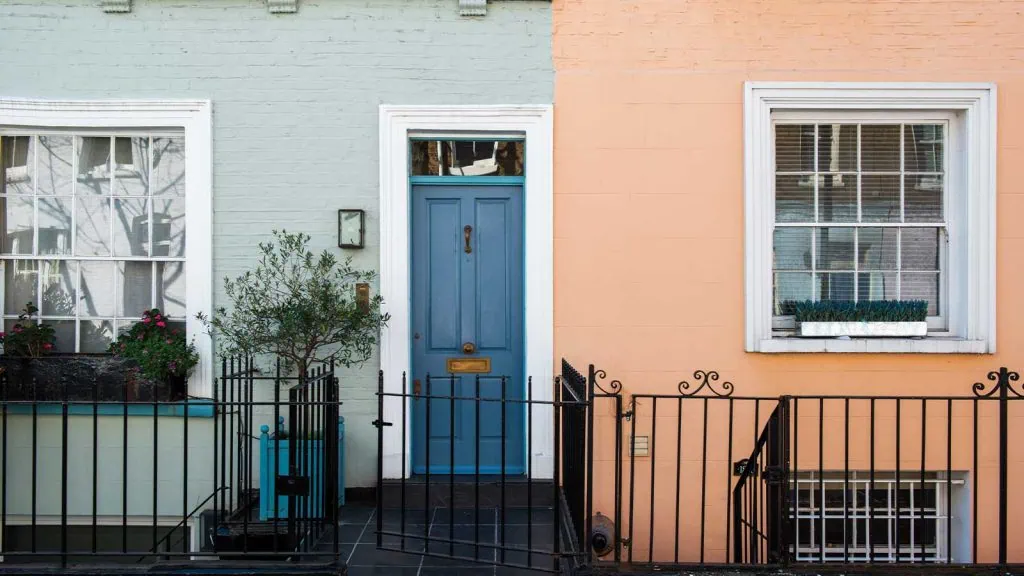
There’s no better season than spring for your exterior painting projects, and you’ll benefit from moderate temperatures between 50 and 85 degrees Fahrenheit, which promote proper paint application and curing. When you paint in spring, you address winter damage like mildew and moisture issues that can cause peeling and cracking later. Plus, completing your project before summer frees up your schedule while ensuring your home looks its best during warmer months. Trust Finn’s Painting Company – Annapolis to guide you through this ideal painting window for lasting results.
Key Takeaways:
- Spring’s moderate temperatures between 50 and 85 degrees Fahrenheit provide optimal conditions for paint application and proper curing.
- Painting in spring helps address winter-related damage, such as mildew and moisture issues, and prevents future paint problems, such as cracking and peeling.
- Completing exterior painting in spring frees up summer for other outdoor activities and projects, while allowing for easier identification of additional repairs.
The Benefits of Spring for Exterior Painting
Ideal Weather Conditions
The moderate temperatures of spring, ranging between 50 and 85 degrees Fahrenheit, create the perfect environment for your exterior painting project. These conditions help ensure the paint applies smoothly and cures properly without drying too fast or too slow. With spring’s balanced weather, you can avoid the issues that hot summer days cause, such as paint drying too quickly and compromising the finish. At Finn’s Painting Company – Annapolis, we recommend taking advantage of spring’s gentle climate to achieve a long-lasting, flawless exterior.
Tackling Winter Damage
The aftermath of winter often leaves your home vulnerable to issues like mildew growth, moisture damage, and peeling paint. Spring is the ideal time to address these problems before they worsen. Painting during this season can repair damaged areas and protect your home from further deterioration. You’ll also be able to spot concerns such as wood rot or exposed surfaces, allowing you to make needed repairs to ensure your home’s exterior stays strong and beautiful.
This period allows you to patch up visible damage and helps prevent long-term problems caused by winter’s harsh conditions. Tackling mildew and moisture early reduces the risk of paint cracking, blistering, and peeling, giving your home a refreshed and durable finish that lasts well into the warmer months.
Prepping for Summer Activities
Spring offers a chance to complete your exterior painting before the busy summer season begins. Painting your home early means you can enjoy the outdoors without worrying about wet paint or ongoing projects. Additionally, finishing in spring frees up your summer schedule for other outdoor activities and improvements, making it easier to fully enjoy your space when the weather is at its best.
Conditions during summer can be too hot for effective paint application, causing paint to dry too fast and potentially ruining the finish. By choosing spring for your exterior painting, you avoid these challenges and prepare your home for a summer filled with outdoor living, entertaining, and relaxation without the hassle of fresh paint interfering with your plans.
Optimal Temperature Range
One of the key factors to ensure a successful exterior painting project is working within the optimal temperature range. This range allows your paint to adhere properly, cure effectively, and deliver a smooth, lasting finish. Knowing how temperature affects your paint helps avoid common problems like cracking or peeling. Finn’s Painting Company – Annapolis recommends aiming for temperatures between 50 and 85 degrees Fahrenheit for the best results.
Understanding Temperature Impact
| Temperature Range | Paint Performance |
|---|---|
| Below 50°F | Slows paint drying time, may cause poor adhesion, and incomplete curing |
| 50°F to 85°F | Ideal for smooth application, proper curing, and a long-lasting finish |
| Above 85°F | Causes paint to dry too quickly, affecting film formation and appearance |
At temperatures between 50 and 85 degrees Fahrenheit, exterior paint performs optimally by adhering evenly and curing properly. When applied within this moderate range, you’ll find that paint flows better and creates a durable, attractive finish.
Effects of Hot and Cold Weather
The effects of applying paint in extreme temperatures can significantly impact your project’s success. Hot weather causes paint to dry too fast, leading to surface imperfections, while cold weather slows drying excessively, which may result in poor adhesion and an uneven finish.
Another important consideration is that in hot weather, the rapid drying of paint compromises film formation, which is vital for creating a protective barrier. On the other hand, when temperatures dip too low, the chemical process of curing can be interrupted, potentially causing blistering, cracking, or peeling. Choosing spring’s gentler climate reduces these risks and ensures a more professional-quality outcome.
Preparation for Painting
Thoroughly prepare your home’s exterior before applying paint to keep your project on track. Proper preparation helps ensure a smooth finish and long-lasting results, saving time and effort.
Assessing Exterior Damage
Below, you should carefully inspect your home’s exterior for any signs of damage such as wood rot, peeling paint, mildew, or blistering. Identifying these issues early allows you to repair them before painting, which supports better adhesion and prevents future problems. Winter moisture damage is especially common; addressing it now will protect your investment.
Choosing the Right Materials
Any successful painting project depends on selecting high-quality paints and supplies suited to your climate. For spring, look for exterior paints designed to perform in mild temperatures between 50 and 85 degrees Fahrenheit, ensuring proper curing and durability through seasonal changes.
Choosing premium, weather-appropriate materials from reputable brands can significantly extend your paint job’s lifespan. Finn’s Painting Company – Annapolis recommends paints with mildew-resistant properties to combat spring moisture and selecting primers that enhance surface adhesion on wood and other exterior materials.
Safety Measures and Best Practices
Adherence to safety protocols that protect you and your surroundings is behind every effective painting project. Use sturdy ladders, wear protective gear like gloves and masks, and ensure your work area is well-ventilated to minimize exposure to fumes and potential hazards.
Plus, adopting best practices not only safeguards your health but also promotes efficient work. Properly prepping surfaces to remove loose paint or debris can prevent accidents and improve final results. Finn’s Painting Company – Annapolis advises taking regular breaks to maintain focus and avoid fatigue during your painting project.
The Importance of Proper Curing
Proper curing ensures your paint looks its best and strengthens its durability and longevity. By allowing your exterior paint to cure under optimal conditions—usually between 50 and 85 degrees Fahrenheit—you help create a resilient finish that withstands weather changes and daily wear. Proper curing means the paint’s chemical components fully react and form a hard protective layer, imperative for maintaining your home’s appearance and defense against elements. Any shortcuts during this process can lead to costly repairs and early repainting.
Factors Affecting Paint Curing
By understanding the factors impacting paint curing, you can ensure a professional finish from Finn’s Painting Company – Annapolis. These include:
-
- Temperature: Ideal curing happens between 50-85°F, avoiding too hot or cold weather.
- Humidity: High moisture can extend drying times and cause imperfections.
- Surface preparation: Clean, dry surfaces allow better adhesion and curing.
- Paint type: Different paints have varied curing requirements.
Any misstep here can compromise the curing process and your paint’s performance.
Consequences of Improper Curing
Paint that fails to cure properly can quickly show visible problems such as cracking, blistering, and peeling—issues that spring weather helps you avoid. Paint applied during extreme temperatures may dry too fast or remain tacky, leading to a weak bond. Your home’s exterior may look dull, and the protective barrier will be compromised, leaving surfaces vulnerable to moisture and mildew damage.
To prevent these issues, trust your exterior painting to experts like Finn’s Painting Company—Annapolis. They understand how spring’s mild climate fosters proper curing, which protects your investment and ensures your home maintains its fresh, vibrant appearance for years.
Painting Techniques for Spring
Brush vs. Roller vs. Spray
Above all, choosing the right tool affects the quality and efficiency of your exterior painting. Brushes offer precision for edges and detail work, while rollers quickly cover large, flat surfaces. Sprayers provide the fastest application and a smooth finish, especially in moderate spring temperatures between 50 and 85 degrees Fahrenheit. Since spring weather promotes proper paint curing, a sprayer can help you achieve a more uniform coat without running or dripping. Finn’s Painting Company – Annapolis recommends evaluating your project size and surface texture to decide which method suits your needs best.
Layering and Timing
Above all, understanding how to layer your paint and manage drying times ensures a durable, beautiful finish. In spring, the moderate climate encourages gradual drying, allowing each layer to set properly without trapping moisture or causing blistering. Depending on humidity and temperature, you should wait at least a few hours between coats to promote strong adhesion and long-lasting results. This timing helps avoid common problems such as cracking or peeling on your home’s exterior.
Layering your paint thoughtfully guarantees that each application bonds well and resists weather-related damage. Since spring temperatures rarely fall too low, your paint will cure evenly, preventing issues that occur in colder months. Finn’s Painting Company – Annapolis advises you to apply multiple thin coats rather than one thick coat to optimize film formation and enhance the lifespan of your exterior paint.
Choosing the Right Finish
Spring is an excellent time to consider the finish that best suits your home’s exterior and maintenance preferences. Satin and semi-gloss finishes balance aesthetic appeal and durability, resisting mildew and moisture damage, common concerns after winter’s effects. You want a finish that handles the moisture issues and mildew growth typical of colder months while sustaining its appearance through summer.
Consequently, selecting a finish with strong resistance to cracking, peeling, and blistering will help protect your paint investment. Finn’s Painting Company – Annapolis recommends finishes with mold inhibitors and weather-resistant properties, perfect for spring’s moderate but sometimes unpredictable conditions. This choice will keep your home looking fresh and safeguard exterior surfaces through seasonal changes.
Additional Outdoor Projects to Consider
Once again, timing your exterior painting in spring with Finn’s Painting Company – Annapolis sets you up for a smoother home improvement season. After your home looks fresh and vibrant, consider these additional outdoor projects to enhance your property’s beauty and functionality.
Landscaping after Painting
With your exterior freshly painted and cured within the ideal temperature range of 50 to 85 degrees Fahrenheit, you can confidently move forward with landscaping. Waiting until after painting prevents accidental paint splatter on plants and makes it easier to plan new garden beds or pathways that complement your home’s updated appearance.
Repairing Exterior Features
At this stage, you have a clearer view of any damaged wood, peeling surfaces, or rot that might require attention. Addressing these repairs after painting ensures your home stays protected from moisture and further damage, keeping your investment secure for years.
After painting, take advantage of the opportunity to inspect and repair areas like trim, gutters, and siding that might have been hidden. Tackling these repairs helps maintain your home’s structural integrity and prepares it for upcoming weather challenges.
Planning for Seasonal Maintenance
Against the backdrop of a freshly painted home, you should plan for ongoing seasonal maintenance such as cleaning gutters, checking caulking, and inspecting your paint’s condition periodically. This proactive approach helps extend the life of your paint job and protect your exterior surfaces.
Also, by scheduling regular upkeep during mild weather, you avoid the risks of extreme temperatures, ensuring that your home’s appearance and protections stay in top shape throughout the year.
With this in mind, you’ll find that spring offers the perfect conditions for your exterior painting project, ensuring proper paint application and curing while addressing any winter-related damage. By choosing this season, you can enhance your home’s appearance and prepare it for summer activities without the rush. Completing your painting early also allows you to tackle other outdoor projects efficiently. Trust Finn’s Painting Company – Annapolis to help you make the most of this ideal season for exterior painting, delivering quality results that protect and beautify your home.
FAQ
Q: Why is spring considered the best season for exterior painting?
A: Spring offers moderate temperatures typically between 50 and 85 degrees Fahrenheit, creating the ideal conditions for paint application and curing. These temperatures help the paint dry gradually, ensuring proper film formation and a durable finish. Additionally, spring weather is less likely to experience extreme dips or heat that can negatively affect paint performance.
Q: How does painting in spring help address winter-related exterior damage?
A: After winter, homes often have mildew growth, moisture accumulation, wood rot, or peeling paint. Painting your home’s exterior in the spring allows you to inspect and repair these damaged areas before applying fresh paint. This improves the appearance and prevents future paint problems like cracking or blistering caused by underlying damage.
Q: What are the benefits of completing exterior painting in spring before summer?
A: Finishing your exterior painting project in spring frees up your summer schedule for other outdoor activities and landscaping projects. It also helps protect your home’s exterior throughout the summer, when you are more likely to spend time outdoors and want your home looking its best. Additionally, painting before other outdoor tasks prevents paint overspray on new plants or landscape features.

Tyler Finnigan, founder of Finn’s Painting Company, brings a lifetime of craftsmanship and dedication to his work. Raised alongside his father, Tyler honed his construction and finishing work skills, learning the value of precision and excellence. After serving in the United States Marine Corps, where he developed discipline and leadership, Tyler expanded his expertise in the luxury sector, mastering high-end project management and exceptional customer service. Today, he combines these experiences to deliver outstanding interior and exterior painting services rooted in integrity and attention to detail. Tyler’s commitment to quality ensures every home shines with beauty and lasting craftsmanship.