
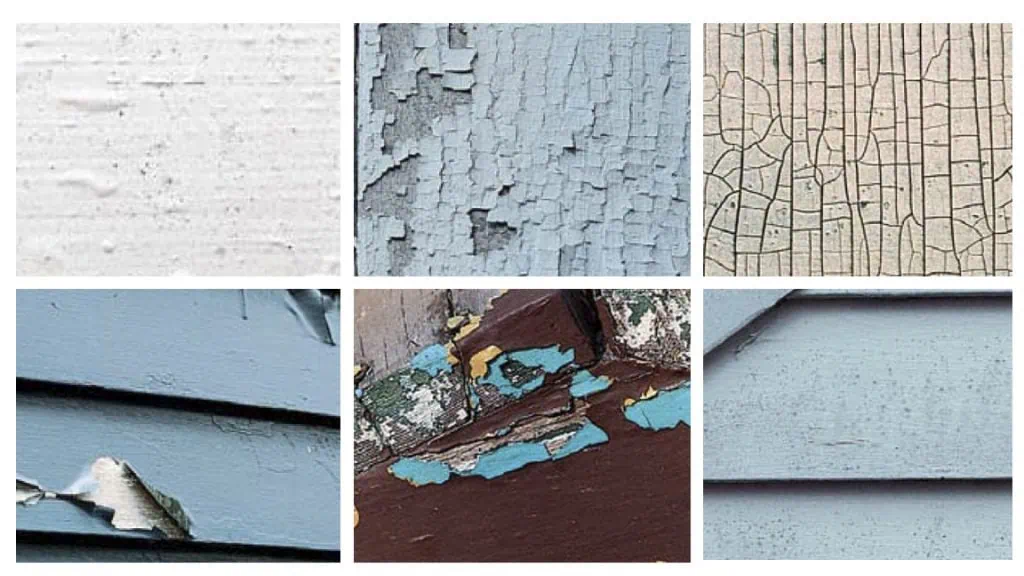
It’s frustrating when your paint project doesn’t meet expectations, leaving your home vulnerable to damage and costly repairs. If you’ve noticed peeling, cracking, or discoloration on your walls or exterior surfaces, you’re likely dealing with the effects of a bad paint job. For Riva, MD homeowners, knowing how to identify and address these issues with the help of experienced professionals like Finn’s Painting can protect your investment and restore your home’s appearance with lasting results.
Key Takeaways:
- Proper surface preparation is vital for a lasting paint job; this includes thorough cleaning, repairing flaws, and priming both interior and exterior surfaces before Painting.
- Choosing the right paint type and applying it under appropriate weather conditions helps ensure the paint adheres well, dries correctly, and maintains its appearance over time.
- Hiring experienced painters who follow detailed processes and communicate effectively about colors, finishes, and techniques will help Riva, MD, homeowners avoid costly repainting and achieve quality results.
Unveiling the Common Pitfalls of Bad Painters
Skipping Essential Preparation Steps
Many bad painters rush through jobs and skip surface preparation, leaving dirt, dust, or moisture behind. On interior walls, failing to remove furniture or clean surfaces properly leads to bubbling, cracking, or chipping paint. Outdoors, painters often neglect to pressure wash or allow surfaces to dry after cleaning, which can cause poor adhesion on various materials, such as wood, stucco, or brick. You end up with a finish that quickly deteriorates instead of protecting your property. Knowing these shortcuts can save you from costly repaints and frustration down the line.
Using Inappropriate Paint Types for the Job
Some contractors use inferior or mismatched paints just to save money or underbid competitors. This can involve applying latex paint where oil-based finishes are required, or thinning high-quality paints to extend their usage. The result? Paint that fails to adhere, fades quickly, or lacks durability costs you more in the long run. Knowing how proper paint types impact adhesion, finish, and longevity empowers you to demand better quality and avoid these common pitfalls.
| Common Mistakes | Consequences |
|---|---|
| Using the wrong paint types (oil vs. latex) | Poor adherence, peeling, uneven finish |
| Thinning paint excessively | Reduced durability, premature fading, and chipping |
| Applying paint in the wrong weather (too cold/too hot/humid) | Improper curing, blistering, and cracking |
| Ignoring surface porosity before applying paint | Uneven absorption, discoloration, and patchiness |
| Skipping primer on challenging surfaces | Stain bleed-through, poor color coverage |
Painters unfamiliar with the specifics of various paint products can cause hidden damage behind the immediate finish. For example, oil-based paints on wood siding require specific primers and application conditions to prevent peeling and weather damage. Latex paints are usually preferable for interior drywall, but they require the right sheen and thickness. Selecting the wrong paint can significantly impact its resistance to moisture, UV rays, and wear, ultimately shortening the lifespan of your paint job. Knowing the difference between paint types and their appropriate uses is key to securing a finish that both looks good and protects your home in the long term.
- Paint type mismatch leads to fast degradation
- Inferior or thinned paint reduces coating strength
- Wrong application conditions cause surface flaws
- Ignoring primer or surface prep ruins adhesion
- Knowing these common issues helps you spot bad workmanship early
Diagnosing the Symptoms of a Bad Interior Paint Job
Visual Indicators: Streaks and Uneven Coats
When you spot visible streaks, smudges, or uneven paint coverage soon after completion, it’s a clear indication that the painter rushed the job or applied the paint improperly. Uneven coats often result from skipping primer or failing to sand surfaces beforehand. If you notice glaring roller marks, brush strokes, or patchy spots, the finish won’t look smooth, and over time, these imperfections only become more pronounced under regular lighting.
Long-Term Issues: Cracking, Fading, and Poor Adhesion
Paint that cracks, fades, or peels within months, rather than years, signals low-quality workmanship or materials. When paint fails to bond correctly—often due to poor surface prep or incorrect paint choice—you’ll see paint chips flaking off or large cracks spreading across walls. This not only ruins the appearance but also compromises the protective layer that paint is supposed to provide.
Repeated cracking and fading often happen when inadequate priming leaves moisture trapped or surfaces untreated. For instance, painting over water stains without sealing them leads to ongoing peeling and discoloration. Poor adhesion also results from applying paint in unfavorable conditions, such as high humidity or extreme temperatures, causing the finish to degrade prematurely. In rooms with heavy foot traffic or high moisture levels, such as kitchens and bathrooms, these problems are exacerbated if the right durable, washable finishes are not selected. Addressing these symptoms promptly can prevent further damage and reduce costly repairs in the future.
The Red Flags of a Poorly Finished Exterior Paint Job
Immediate Signs: Blisters and Peeling
Blistering and peeling are among the first obvious signs of a faulty exterior paint job. These issues often arise when paint is applied over damp or dirty surfaces, or when primers and paints that are incompatible with the substrate are used. If you notice bubbles forming on siding or trim just weeks after Painting, it likely means your contractor skipped necessary prep steps, such as pressure washing or priming properly. Left unattended, these problems allow moisture to penetrate, further damaging the underlying material and leading to costly repairs.
Delayed Reactions: Mottling and Chalky Surfaces
Mottled or chalky exteriors typically emerge weeks or even months after the project’s completion. This uneven discoloration occurs when paint breakdown begins due to the use of poor-quality materials or insufficient surface preparation, leaving your home vulnerable to weather and sunlight. Chalkiness, especially, indicates paint deterioration, often caused by skipping sanding over glossy surfaces or excessively thinning the paint. Such delayed issues not only mar your home’s curb appeal but also signal that repainting could be sooner than expected.
The chalking phenomenon occurs when paint components break down under UV exposure and moisture, resulting in a powdery residue on the surface. In Riva’s humid climate, this effect accelerates if the painter fails to seal the surface correctly or chooses an inferior acrylic formula. Mottling, characterized by patchy discoloration, often reflects inconsistent application or the use of incompatible primer and paint layers. If these symptoms develop, they compromise the protective qualities of your exterior paint and require professional assessment to avoid further damage.
Preventative Measures: Securing Quality Painting Services
Vetting Potential Contractors: What to Look For
Look for contractors who provide a clear portfolio showcasing both interior and exterior projects similar to your home in Riva, MD. Verify their licenses and insurance to avoid liability issues. Strong client references and consistently positive reviews often signal dependable workmanship. Pay attention to whether they outline a thorough surface preparation process and specify the paints they use—contractors committed to quality will openly discuss these details before any paint touches your walls.
Essential Questions to Ask Before Hire
Ask about the preparation steps they follow, the types and brands of paint they recommend, and how they determine the number of coats needed. Inquire about their timelines and how weather conditions might affect the schedule. Confirm whether they provide a written contract outlining each phase of the job, payment terms, and guarantees for their work. These questions reveal the contractor’s attention to detail and professionalism.
Delving deeper into these questions helps you gauge whether a contractor aligns with your expectations. For example, ask how they handle surfaces with existing damage or moisture issues, since ignoring these can lead to peeling or bubbling paint. Discover which paint brands they trust—quality paints, such as Sherwin-Williams or Benjamin Moore, often result in longer-lasting finishes. Clarify if the estimate includes multiple coats and a primer when necessary. Discuss how they adjust for Riva’s seasonal weather fluctuations, ensuring paints cure properly without rushing. Taking this extra step helps you avoid contractors who cut corners and delivers better protection for your home’s surfaces.
The Corrective Action Plan: Fixing an Inferior Paint Job
Assessing Damage and Planning Remediation
Start by thoroughly inspecting the affected surfaces for blistering, peeling, cracking, or chalking. Identify if problems stem from poor prep, wrong paint types, or environmental factors during application. This assessment helps you prioritize fixes—whether scraping, sanding, or spot priming—before repainting. Documenting damaged areas and matching the original paint specifications can prevent repeating mistakes. In Riva, MD’s climate, moisture-related issues are common, so ensure surfaces are completely dry and structurally sound before proceeding with repairs.
Techniques for Successful Repainting
Repainting demands methodical surface preparation, including cleaning, sanding, and priming where needed. Apply two or more coats of appropriate high-quality paint, matched to the surface and exposure conditions. Adhering to proper drying times between coats and monitoring weather conditions, particularly humidity and temperature in Riva’s region, will ensure durable adhesion and a high-quality finish. Avoid shortcuts like unnecessarily thinning paint, as this compromises both longevity and appearance.
The key to a lasting repaint involves tailoring your approach to the surface type—wood siding may require an oil-based primer to seal and protect, while stucco benefits from elastomeric paints that expand with temperature changes. Using premium, weather-resistant paints formulated for either exterior or interior use helps avoid rapid fading or chalking. Multiple coats aren’t just aesthetically pleasing; they also fortify protection against elements and wear. Integrating these techniques reduces the likelihood of recurring issues and effectively restores your home’s appeal and value.
The Cost of Ignoring Quality: Financial Implications for Homeowners
The Hidden Expenses of Rework
When a paint job fails, the cost doesn’t stop at the initial payment. You’ll face unexpected expenses for stripping, sanding, and repainting surfaces that weren’t properly prepped or painted the first time. These rework costs often run 30-50% higher than a quality original paint job. Beyond the financial cost, there’s also the loss of time and inconvenience as rooms become unusable or your home’s exterior remains exposed. Skipping quality means you’re practically paying twice—or more—for what should have been done right from the start.
Investing in Quality Over Cheap Alternatives
Opting for the lowest bid or discount paint products can result in a finish that fades, flakes, or blisters within months. A quality painter in Riva, MD, such as Finn’s Painting, utilizes premium materials and adheres to industry best practices, ensuring long-lasting protection and a vibrant finish. This initially higher investment pays off by extending the lifespan of your paint job and minimizing costly repairs.
Beyond paint and labor, quality contractors factor in the proper preparation of surfaces, the correct choice of paint formulations for different areas, and timing the job to suitable weather conditions. For example, using a durable exterior paint designed for Riva’s humidity and seasonal changes can prevent peeling and chalking that cheap paints fail to resist. Finn’s Painting guarantees multiple coats with high-quality, washable finishes, ensuring your investment retains its aesthetic appeal and protective function for years to come. This approach saves you money by avoiding premature recoating cycles often triggered by corners cut on materials and workmanship.
The Role of Communication in Achieving Quality Results
Establishing Clear Expectations with Your Painter
Setting specific expectations at the outset ensures both you and your painter understand exactly what the project entails. Discuss details like paint types, number of coats, timelines, and surface preparation thoroughly. For example, agreeing that three coats of premium latex paint will be applied in your busy living room can prevent surprises. Establishing written agreements on these points protects your investment and keeps your painter accountable for delivering the quality and durability you expect.
Regular Check-Ins During the Project
Maintaining open communication throughout the painting process enables you to identify potential issues early. Checking in daily or at pivotal milestones helps confirm that the work meets the agreed-upon standards, from surface preparation to completion. These touchpoints also give your painter the chance to update you on progress or unexpected challenges, fostering a cooperative environment focused on quality results.
Scheduling routine visits during the project helps reveal if your painter is following through on important steps, such as sanding, priming, and applying paint evenly. For instance, spotting skipped primer or rushed drying times early can save you from costly repairs later. Clear dialogue at these intervals empowers you to ask questions about paint choices or technique, ensuring the finished job upholds both aesthetic and protective standards. Maintaining this engagement often separates successful projects from those where issues are hidden until after completion.
To wrap up
Now that you understand the common causes and signs of a bad paint job, you can take control of fixing the issues promptly. Whether addressing interior or exterior problems, addressing them early with the right techniques and materials will save you money and frustration. When dealing with a bad painter, it’s essential to communicate your expectations clearly and hire a trusted professional who prioritizes quality and thorough preparation. If you are tempted to just repaint it yourself instead, our look at the honest DIY vs contractor time math shows what that decision really costs in weekends. If you live in Riva, MD, choosing Finn’s Painting means investing in a contractor committed to delivering lasting, beautiful results for your home.
FAQ
Q: How can I fix peeling or blistered paint on the exterior of my Riva, MD, home?
A: To fix peeling or blistered exterior paint, start by thoroughly removing all the loose and damaged paint using a scraper or wire brush. Next, clean the surface to eliminate dirt, dust, and mildew, often with a pressure washer. Allow the surface to dry completely before applying a suitable primer designed for your exterior material. Finally, repaint using high-quality exterior paint recommended for the climate in Riva, MD. Hiring a professional painter, such as Finn’s Painting, ensures that this process is done correctly to prevent future peeling.
Q: What steps should I take if I notice streaks, smudges, or an uneven finish in my interior paint job?
A: If your interior walls show imperfections, such as streaks or smudges, first determine if the paint is still wet or already dry. For wet paint, gently smoothing it out with a brush or roller might help. Once dry, lightly sand the uneven areas and apply an additional coat of high-quality paint to usually improve the finish. It’s essential that the painter prepares the surfaces properly and allows sufficient drying time between coats. If you hired Finn’s Painting, contact them promptly to address these issues as part of their service commitment.
Q: How do I deal with a painting contractor who rushed through my paint job and delivered poor results?
A: If you find that a painter rushed and left you with subpar work, begin by documenting the problems, such as missed prep steps, inappropriate paint choice, or poor finish. Reach out to the contractor, such as Finn’s Painting in Riva, MD, to discuss your concerns and request a timeline for corrections. Professional painters will want to do the job right. If they are unresponsive or unwilling to fix the issues, consulting with a local consumer protection office or seeking recommendations for a reputable contractor to redo the work might be necessary.

Tyler Finnigan, founder of Finn’s Painting Company, brings a lifetime of craftsmanship and dedication to his work. Raised alongside his father, Tyler honed his construction and finishing work skills, learning the value of precision and excellence. After serving in the United States Marine Corps, where he developed discipline and leadership, Tyler expanded his expertise in the luxury sector, mastering high-end project management and exceptional customer service. Today, he combines these experiences to deliver outstanding interior and exterior painting services rooted in integrity and attention to detail. Tyler’s commitment to quality ensures every home shines with beauty and lasting craftsmanship.