
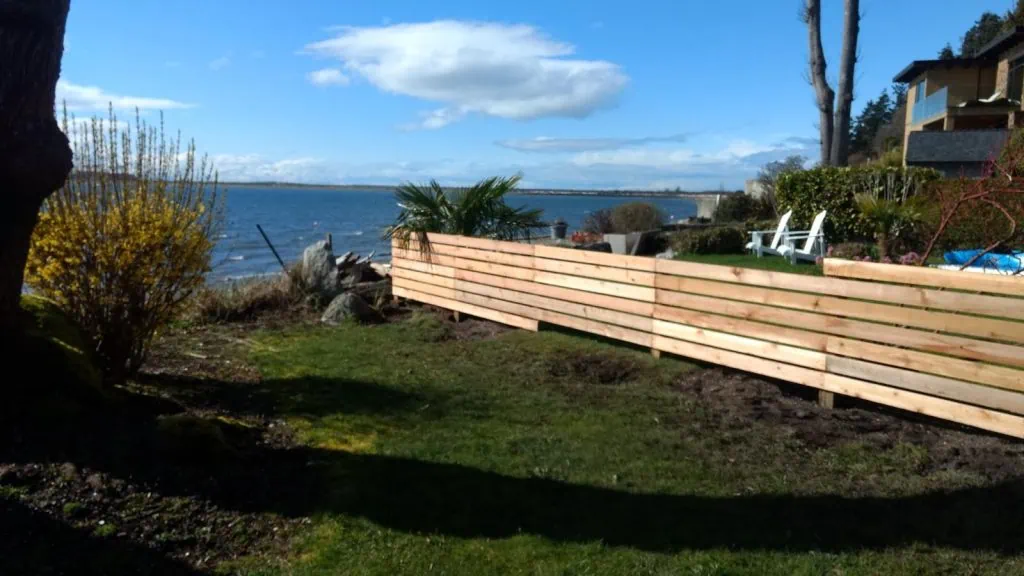
The Unique Demands of Waterfront Wood Surfaces
Living by the water offers incredible views and a relaxing lifestyle, but it also brings special challenges for outdoor wood structures. Waterfront decks and fences face relentless exposure to salt spray, high humidity, and intense sunlight. These elements can quickly degrade wood and finish, leading to fading, warping, mold, and rot. Unlike inland properties, waterfront homes require extra attention to protect their outdoor spaces. Our painters serving waterfront communities like Edgewater, MD build that extra protection into every job. The combination of moisture, salt, and UV rays means standard painting techniques and products often fall short. To keep your deck and fence vibrant and durable, it’s essential to use marine-grade paints and stains specifically designed for harsh coastal environments. These specialized finishes provide superior protection against moisture, salt, and sun damage, ensuring your outdoor investment stands the test of time.
Why Proper Preparation Is Non-Negotiable
Surface preparation is the cornerstone of any successful painting job, especially for waterfront properties. Start by thoroughly cleaning your deck and fence to remove dirt, algae, salt deposits, and old finishes. Use a pressure washer at a low setting or a marine-grade deck cleaner to avoid damaging the wood. Sand any rough or peeling areas to create a smooth surface for better paint adhesion. Replace any damaged boards or nails, as a solid foundation prevents future complications. Allow the wood to dry completely—ideally for at least 48 hours—before applying any finish. Proper preparation ensures the paint or stain bonds effectively, providing a long-lasting, beautiful result.
Choosing the Right Paint or Stain for Coastal Climates
Selecting the right paint or stain is critical for waterfront decks and fences. Semi-transparent stains allow the wood’s grain to show through while offering protection against moisture and UV rays. Solid paints provide vibrant, uniform coverage and can mask imperfections, but they require more maintenance. For maximum durability, consider elastomeric or flexible coatings that can accommodate wood expansion without cracking. Sealing exposed end grains with a dedicated end-grain sealer before topcoating helps block moisture intrusion. Always test products on a small section before full application to see how they perform under your specific weather conditions.
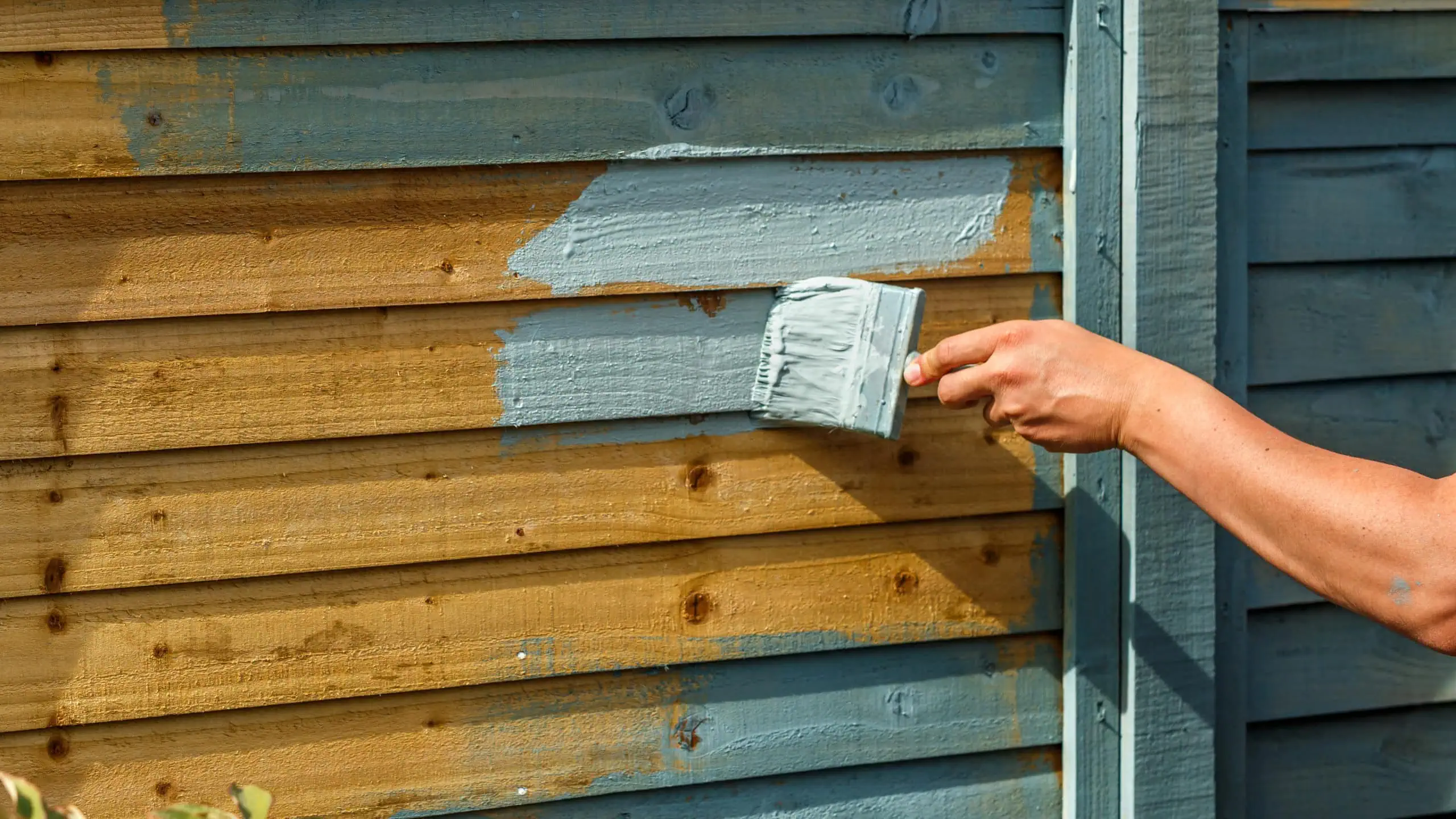
Application Techniques for Lasting Results
Apply products in thin, even coats during cooler, less humid days to encourage proper curing. Overlapping brushstrokes ensures full coverage, especially on end grains that are exposed to moisture. Multiple thin coats outperform a single heavy one, reducing the risks of peeling and blistering. Use synthetic brushes or high-quality rollers for thorough penetration into the wood’s pores. For docks or piers, consider adding water-repellent additives to stains or paints to combat frequent splashing. Proper application techniques ensure your finish remains vibrant and durable, even in the harshest waterfront conditions.

Maintenance: The Key to Longevity
Regularly inspect and maintain your deck and fence by addressing signs of mold, mildew, and wear. Clean surfaces annually and reapply protective coatings as needed. Promptly treat any issues to prevent more extensive deterioration. For homeowners in Riva, MD, seeking professional help, Finn’s Painting offers expert deck and fence refinishing services tailored to the demands of waterfront living. Working with specialists ensures your outdoor spaces are treated with the right products and techniques, keeping your property looking stunning season after season.
Frequently Asked Questions
What Makes Waterfront Painting Different?
Waterfront painting requires specialized products that resist moisture, salt, and UV damage. Standard paints may not hold up under these harsh conditions, leading to premature fading, peeling, and wood rot. Always choose marine-grade paints or stains with waterproofing and anti-mildew additives for waterfront properties.
How Often Should I Repaint My Waterfront Deck and Fence?
The frequency depends on exposure and product quality. Generally, repaint or re-stain every 2-5 years. Regular cleaning and maintenance can extend the life of your finish. Inspect annually for signs of wear, mold, or mildew, and address issues promptly.
Can I Use the Same Paint for My Deck and Fence?
Yes, but ensure the paint is suitable for both horizontal (deck) and vertical (fence) surfaces. Decks endure more foot traffic and water exposure, so choose a product designed for heavy-duty use. Fences benefit from UV protection and weather resistance.
What’s the Best Time of Year to Paint a Waterfront Deck or Fence?
The best time is during cooler, less humid days, typically in spring or fall. Avoid painting during extreme heat or high humidity, as this can affect drying and curing times. Ensure the wood is completely dry before starting.
Should I Hire a Professional for Waterfront Painting?
While many homeowners can tackle deck and fence painting, waterfront properties present additional challenges. Professionals have experience with marine-grade products and application techniques, ensuring maximum durability and appearance. Hiring a professional can prevent costly mistakes and repairs.

Tyler Finnigan, founder of Finn’s Painting Company, brings a lifetime of craftsmanship and dedication to his work. Raised alongside his father, Tyler honed his construction and finishing work skills, learning the value of precision and excellence. After serving in the United States Marine Corps, where he developed discipline and leadership, Tyler expanded his expertise in the luxury sector, mastering high-end project management and exceptional customer service. Today, he combines these experiences to deliver outstanding interior and exterior painting services rooted in integrity and attention to detail. Tyler’s commitment to quality ensures every home shines with beauty and lasting craftsmanship.