
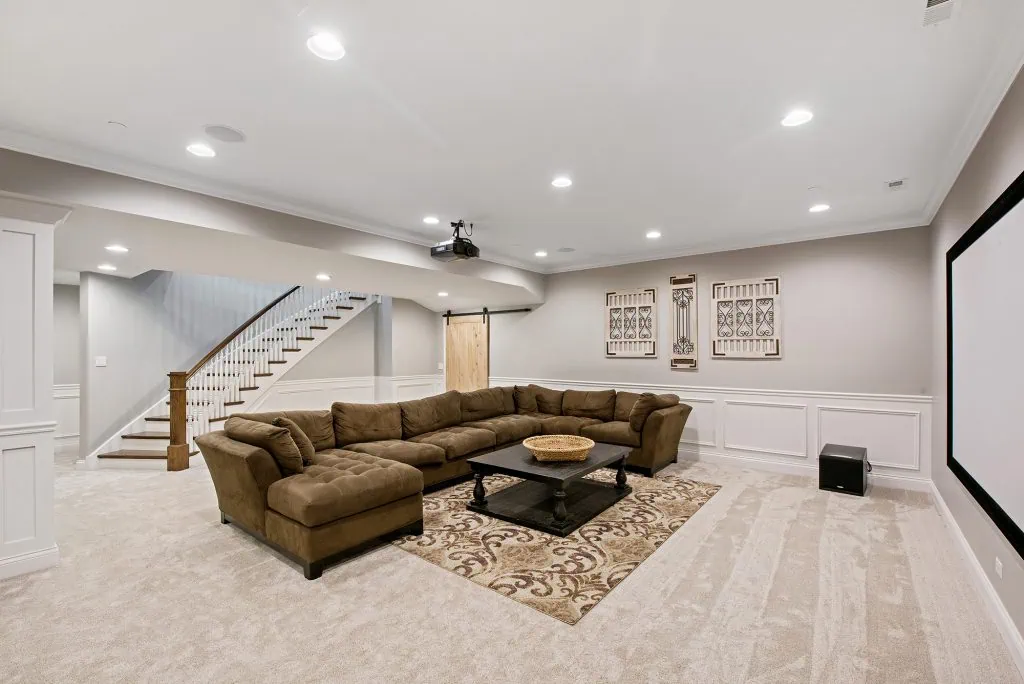
Basements in the Chesapeake Bay region—especially in Annapolis and Riva—often battle unique environmental factors like limited sunlight, dampness, and cool, shadowy atmospheres. While no paint can fully solve moisture problems, selecting the right color and finish can dramatically uplift the mood and ambiance of your lower level. At Finn’s Painting Company, we focus on basement paint solutions that respond directly to the area’s specific lighting and humidity conditions, ensuring your space feels inviting and livable all year round.
The Power of Paint: Elevating Basement Spaces
Paint is more than just a cosmetic upgrade—it’s a strategic tool for transforming your basement. The right color palette can reflect light, neutralize unwanted undertones, and create the illusion of more space. Warm, light neutrals such as creams, linens, greiges, and mushroom taupes are ideal for basements because they counteract the green or blue shadows that often appear due to limited daylight and surrounding soil. These hues add warmth and brightness, making your basement feel like a true extension of your home.
Preparing Your Basement for a Fresh Coat
Before reaching for the paintbrush, it’s crucial to address any moisture issues. Install dehumidifiers, seal air leaks, and ensure proper ventilation to keep your basement dry and your paint looking fresh. Always sample your chosen color at different times of day and under various lighting conditions to see how it interacts with your basement’s unique environment. Opt for warm undertones like cream, linen, oat, mushroom-taupe, and warm greige to infuse your space with comfort and brightness.
Choosing the Right Undertones for Basement Walls
Selecting the perfect undertone is key to a successful basement paint job. Creams with a subtle straw or almond cast brighten the space without the harshness of pure white. Warm grays—infused with beige—bring calm and coziness while remaining inviting. Mushroom taupes offer gentle depth, perfect for media rooms or guest areas. Pale clays and putty add earthy notes, grounding your basement and preventing it from feeling subterranean.

Sheen Selection: Matching Finish to Function
The sheen you choose impacts both the look and practicality of your basement. Matte or flat finishes provide a soft, forgiving look for lounge areas but should be avoided in high-touch zones. Eggshell is the basement MVP—diffusing light and making cleanups easier. Satin or semi-gloss finishes are best for trim, doors, and moisture-prone areas like bathrooms or laundry rooms. For ceilings, use flat paint but consider lightening the wall color by 25–50% for a seamless, airy effect.
Room-by-Room Paint Palettes for Maximum Impact
Tailor your paint choices to the function of each basement room. For a family lounge or TV area, warm greige walls paired with soft white trim and a flat ceiling create a cozy, glare-free environment. Guest suites benefit from pale linen or oat walls, an optional mushroom-taupe accent wall, and almond-white trim for a restful, clean atmosphere. Playrooms and hobby zones shine with creamy white walls, light putty built-ins, and durable warm-white trim. Home offices look balanced and professional with driftwood-leaning greige walls and warm-white trim. Laundry and utility nooks stay fresh and functional with pearl-cream walls and semi-gloss warm-white trim.
Quick Color Pairing Ideas for Basements
For a light and airy basement, use cream with a straw undertone, warm soft-white trim, and a ceiling 25–50% lighter. Create a cozy media space with mushroom-taupe walls, almond-white trim, and an almond-white ceiling. For a crisp flex room, choose warm greige walls, putty built-ins, and soft-white trim.
Enhancing Light and Warmth in Basement Spaces
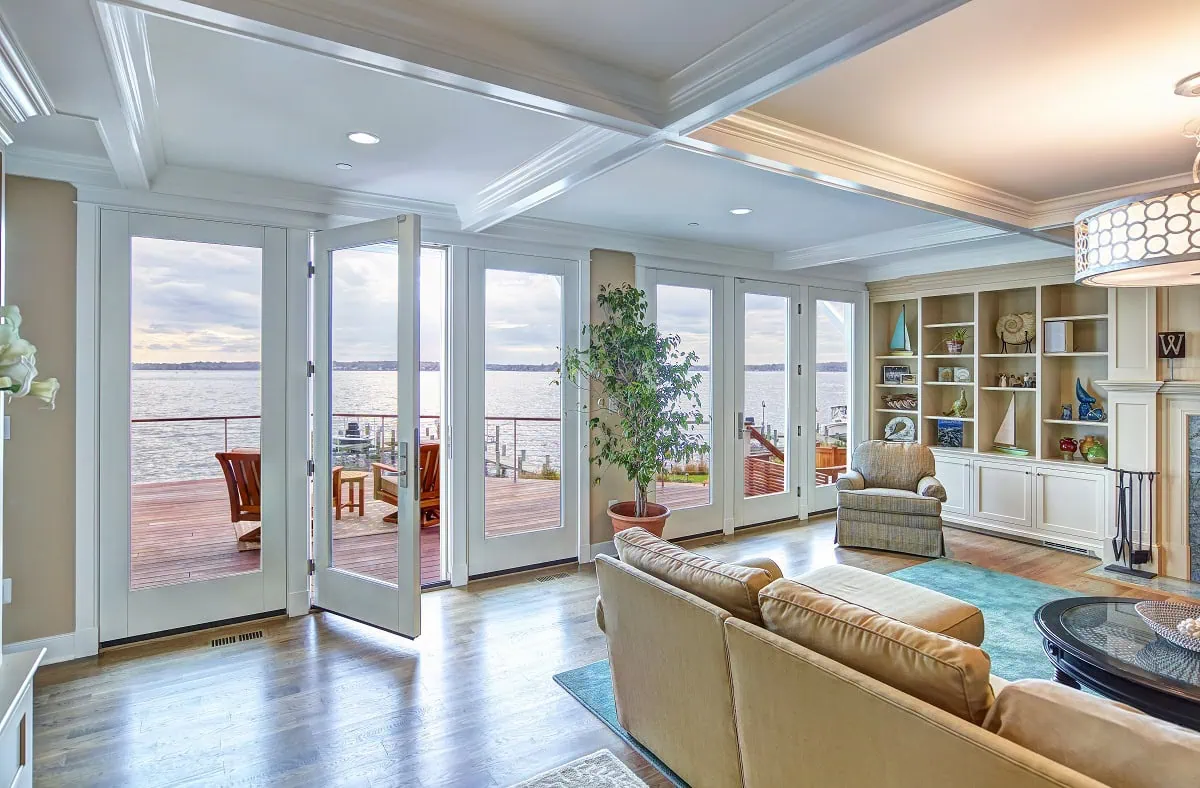
Layer your lighting with ceiling cans, wall sconces, table lamps, and floor lamps, using warm bulbs (2700–3000K) to keep the ambiance inviting. Use subtle contrast—slightly deeper walls with lighter trim—to define edges and make your basement feel finished. Add sheen where it counts, like on cabinetry and built-ins, to reflect light and brighten corners.
Professional Tips for Testing Basement Paint Colors
Paint sample boards edge-to-edge (two coats) and move them around different areas of your basement. Check the color at morning, afternoon, and evening with lights on and off. Confirm the sheen with a small eggshell test patch in high-touch zones. Live with your samples for 48 hours before making a final decision.
Local Light Considerations: Annapolis vs. Riva
Annapolis homes with window wells or some natural light benefit from linen creams and light warm greiges, which amplify available daylight. Riva homes, often shaded by tree cover, may read greener. Choose straw-leaning creams or clay-tinted taupes to neutralize cool casts.
Finishing Touches: Trim, Doors, and Ceilings
Keep trim and doors in soft, warm white to avoid a blue cast. Use semi-gloss for doors and baseboards—more durable and easier to clean. If ceilings feel low, paint them the same color as the walls, but 25–50% lighter for a subtle lift.
Complementary Flooring, Rugs, and Furniture
Pair LVP and light oak with cream or linen walls, adding woven textures to avoid a “blank box” effect. For darker wood or tile, use warm greige walls to bridge red or orange tones. Layer textiles in oatmeal, sand, clay, and a touch of navy or rust for depth without going dark.
Avoiding Common Basement Painting Mistakes
Don’t choose cool grays that make the basement feel flat and chilly. Avoid stark white trim against warm walls, which can make walls look dingy. Don’t paint everything one uniform shade—slight depth changes create flow and interest. Never skip primer over patched areas, as uneven porosity will show through your finish.
Our Basement-Ready Painting Workflow
Start with a moisture check and prep (patch, sand, vacuum). Apply stain-blocking or bonding primer where needed. Use two coats of quality interior latex in eggshell for walls. Finish trim and doors in semi-gloss warm-white for durability. End with a final walkthrough and labeled touch-up containers.
FAQs:
1. How can I make a windowless basement feel brighter?
Use warm, light wall colors like cream, linen, or light greige. Pair with soft-white trim and layer warm bulbs (2700–3000K) on dimmers. Add light rugs and reflective decor to bounce light around the room.
2. What paint sheen is best for busy basement walls?
Eggshell is ideal for basement walls—it offers a gentle glow and is easier to wipe clean. Use satin or semi-gloss on trim, doors, and moisture-prone areas for extra durability.
3. Can warm neutrals work with my existing gray sofa?
Yes, warm greige walls bridge cool gray upholstery and warmer wood tones. This creates a balanced, inviting space that feels cohesive.
4. Should ceilings be white in a low basement?
Not always. Try a lightened wall color by 25–50% for a seamless, taller feel. This helps avoid the “drop-ceiling” effect and makes the room feel more spacious.
5. Do you handle basements in both Annapolis and Riva?
Absolutely. Our team specializes in basement painting for both Annapolis and Riva. We tailor colors and finishes to local light and humidity, ensuring your basement looks its best year-round.

Tyler Finnigan, founder of Finn’s Painting Company, brings a lifetime of craftsmanship and dedication to his work. Raised alongside his father, Tyler honed his construction and finishing work skills, learning the value of precision and excellence. After serving in the United States Marine Corps, where he developed discipline and leadership, Tyler expanded his expertise in the luxury sector, mastering high-end project management and exceptional customer service. Today, he combines these experiences to deliver outstanding interior and exterior painting services rooted in integrity and attention to detail. Tyler’s commitment to quality ensures every home shines with beauty and lasting craftsmanship.