
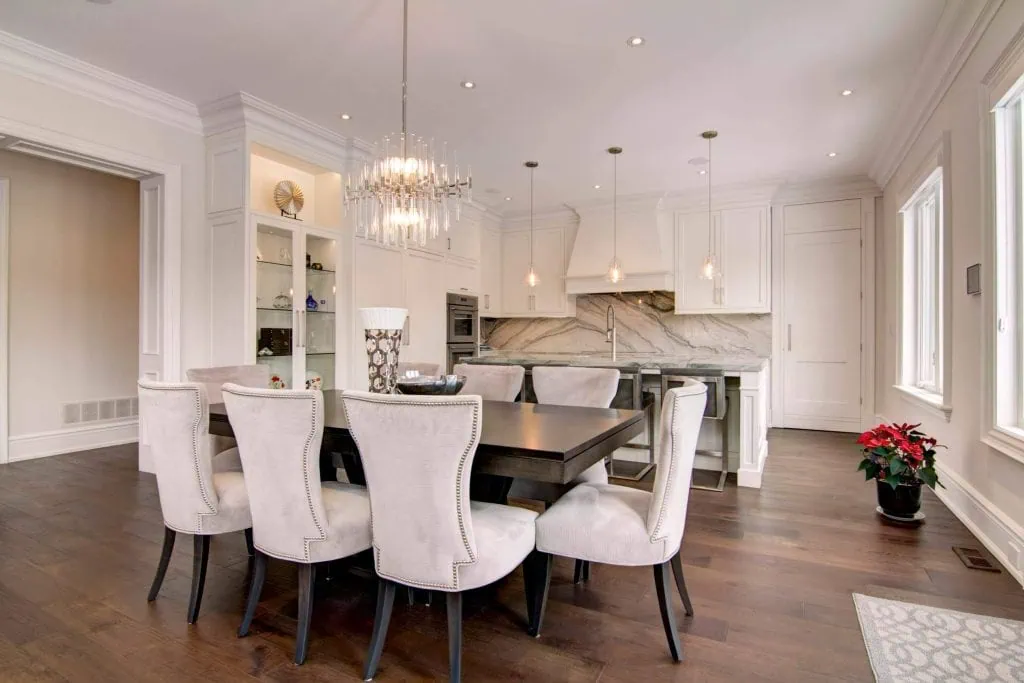
Painting that actually lasts isn’t about the color first—it’s about the primer beneath it. In Annapolis, where humidity, salt air, and quick temperature swings are a fact of life, primer choice can decide whether your finish stays smooth for years or starts failing early. This guide explains how experienced home painters near me evaluate substrates, climate, and coatings to choose the right primer for reliable adhesion and long-term protection.
Why primer is non-negotiable on the Chesapeake
Paint is a protective shell. Primer is the handshake between that shell and your home. In a coastal city like Annapolis, air carries moisture and salt particles that challenge adhesion. A smart primer plan does three jobs:
- Grip: Creates a stable surface so finish coats hold tight.
- Seal: Regulates porosity for even sheen and consistent color.
- Block: Stops stains, tannins, and rust from bleeding into topcoats.
Skipping the right primer or choosing the wrong type can lead to peeling, tannin bleed-through, patchy sheen, and premature fading—issues that occur more quickly in humid, breezy conditions.
Discover the decision tree that pros use, a fast and practical tool for choosing the right primer.
When home painters near me walk through your property, they move through a simple sequence:
- What’s the surface? New drywall, previously painted drywall, glossy trim, cabinets, raw wood, stained wood, masonry, metal?
- What’s the condition? Chalking, peeling, water stains, smoke, knots, rust, efflorescence, mildew?
- What’s the environment? High humidity, sun exposure, salt spray, bathrooms/kitchens, basements?
- What’s the finish system? Final sheen, color depth, and whether the project needs high-blocking or high-bond performance.
- Timing & weather: Temperature, dew point, and recoat window that fits the Annapolis forecast.
From those answers, the primary type becomes obvious.
Primer types—and where they shine in Annapolis
1) Water-based acrylic primers (the everyday workhorse)
Best for: New drywall, previously painted walls/ceilings, light stains, bare drywall patches, fiber cement, and many exterior repaints.
Why Annapolis likes it: Fast-drying, low-odor, and flexible enough to handle humidity swings, acrylic primers level well and are compatible with most latex topcoats—ideal for large interior areas where breathability and quick turnarounds matter.
Watch for: Not all acrylics block heavy stains or deep tannins; upgrade when you see water marks, smoke residue, or knotty wood.
2) Bonding primers (for slick, glossy, or hard-to-paint surfaces)
Best for: Glossy trim, old oil-painted surfaces, cabinets, laminate, some plastics, and tile surrounds outside splash zones.
Why Annapolis likes it: Humidity can weaken adhesion on glossy areas. Bonding primers lock on and give the topcoat a strong foundation, reducing chips and edge wear around doors, railings, and built-ins.
Watch for: Respect cure time before sanding and recoating; rushing reduces the advantage.
3) Stain-blocking primers (for water, smoke, markers, and more)
Best for: Ceilings/walls with water rings, smoke damage, cooking stains, or permanent markers.
Why Annapolis likes it: Bay weather keeps humidity higher, which can reactivate stains. Stain blockers seal those trouble spots so they don’t ghost through new paint.
Watch for: Some stain blockers are specialized—match the blocker to the stain severity.
4) Tannin-blocking primers (wood species that bleed)
Best for: Cedar, redwood, mahogany, and knotty pine—indoors and out.
Why Annapolis likes it: Waterfront trim and older siding often include tannin-rich species. Without the right primer, brownish staining telegraphs through light colors and whites.
Watch for: Spot-prime knots, then prime broad areas; let each layer fully dry.
5) Masonry/alkali-resistant primers (for brick, stucco, concrete)
Best for: New or previously coated masonry, parge coats, and repaired stucco.
Why Annapolis likes it: They tolerate higher pH and help resist efflorescence. Perfect for basements, foundations, and garden walls where moisture moves through the substrate.
Watch for: Fresh stucco and concrete need cure time; priming too early can trap moisture.
6) Metal primers (anti-corrosion and adhesion)
Best for: Railings, wrought iron, aluminum gutters, steel fixtures.
Why Annapolis likes it: Salt air accelerates rust. Metal primers with anti-corrosion additives slow that process and anchor finish coats.
Watch for: Spot-treat active rust, then prime promptly; don’t leave scuffed metal unprimed overnight in damp air.
Matching primer to common Annapolis scenarios
Cabinets and trim that feel glassy
- Use a bonding primer for adhesion, scuff sand between coats, then apply a durable enamel topcoat.
- Benefit: Reduced chipping around handles and baseboards, even in humid conditions and with daily use.
Watermarked bathroom ceiling
- Wash, dry, treat any mildew, then apply a stain-blocking primer on the ring, feathered beyond the mark.
- Benefit: No ghosting through steamy showers.
Cedar shakes or stained woodwork.
- Spot-seal knots and bleed-prone areas with a tannin-blocking primer, then prime the entire surface.
- Benefit: Whites stay white; no brownish bleed after humid stretches.
Basement masonry with efflorescence
- Remove the powder, ensure it is dry, and use a masonry/alkali-resistant primer.
- Benefit: Better holdout and fewer issues where moisture vapor is present.
Metal railings by the garden
- Clean to bare metal where rusted, treat, then apply metal primer right away.
- Benefit: Slower rust return and tighter bond in damp morning air.
The Annapolis climate checklist (make-or-break steps)
- Moisture testing: Especially on wood and stucco before priming.
- Dew point awareness: Avoid coating if the surface temp is within a few degrees of the dew point.
- Shade sequencing: Prime facades as they move into shade to prevent too-rapid drying on hot days.
- Salt/pollen rinse: After a blowy day, a quick wipe-down eliminates invisible film that can weaken adhesion.
- Ventilation: For interiors, fans and a clear airflow path speed dry times without forcing heat.
The first performance traits that actually impact durability
Adhesion rating: The core reason to prime. Bonding primers lead here, but many acrylics have excellent adhesion on properly sanded surfaces.
Stain-blocking strength: Not every primer blocks the same types of stains. Water and smoke require stronger blockers than light household marks.
Porosity control: Primers regulate absorption so the topcoat looks even—no dull patches or flashing. On new drywall, this is crucial.
Flexibility & breathability: Exterior primers must move a bit with seasonal expansion while still releasing vapor. Too rigid or too tight can lead to blistering.
Corrosion resistance: For metal, anti-rust chemistry extends life in salty air.
Recoat window: In Annapolis, humidity, you’ll often extend the window. A primer that accepts a later recoat without sanding saves time—but follow label guidance.
Prep + primer: the duo that wins
Primer can’t fix poor prep. Before any can opens, pros:
- Wash exterior surfaces to remove chalking, salt, and grime.
- De-gloss trim and doors with sanding pads; a dull, uniform profile means better primer bite.
- Feather sand failed paint edges.
- Dry thoroughly—a surface can look dry and still hold moisture in the pores.
- Spot repair cracks and holes so primer can seal a stable surface.
How many coats of primer?
- New drywall: One full coat; spot prime fresh patches first to prevent flashing.
- Severe stain areas: Spot prime, assess, then a full coat if needed.
- Glossy cabinets/trim: One bonding coat is often enough; two for high-wear zones or dramatic color shifts.
- Exterior raw wood: Full coat, sometimes two on end grain or thirsty boards.
Color transitions: when primer shade matters
If you’re shifting from dark navy to a light greige, a gray-tinted primer can reduce the number of finish coats. It also helps neutralize stubborn hues (think deep reds) so your topcoat reads true.
Sanding between primer and paint
Light sanding after primer knocks down raised fibers and dust nibs, especially on trim and cabinets. Use a fine grit, wipe clean, then topcoat. The result is a smoother finish and better perceived quality—especially noticeable in raking light.
Dry time vs. cure time (and why it matters)
- Dry to the touch: You can touch it without leaving fingerprints.
- Ready to recoat: Safe to apply the next layer without bonding issues.
- Cured: Fully hardened; peak adhesion and chemical resistance achieved.
On humid days, “ready to recoat” may trail the label by an hour or two. Pros do a simple glide test in an inconspicuous spot: if the surface drags or feels rubbery, they wait. Patience here prevents telegraphing brush marks and roller tracks into the finish.
Interior vs. exterior primer priorities
Interior: Focus on stain blocking, porosity control, and a smooth profile for trim and cabinets. Low odor helps in closed-up rooms.
Exterior: Prioritize flexibility, UV resistance (in the system), and moisture management. Bonding matters on glossy, sun-baked trim; tannin control matters on cedar and redwood.
The “Annapolis reality” scheduling guide
- Morning window: Prime shaded exteriors early, before heat spools up.
- Afternoon pivot: Shift to interiors, covered porches, or the leeward side when sea breezes pick up pollen.
- Evening check: Watch overnight lows and dew; avoid priming late if surfaces may sweat before the film sets.
Common primer mistakes—and easy fixes
- Priming over mildew: Clean and treat first, then prime; otherwise, you trap the problem.
- Skipping de-gloss on trim: Even great bonding primers prefer a scuffed surface.
- Under-priming stained areas: If the stain shows through after one coat, block it completely before painting.
- Over-reliance on “paint + primer” in one: Handy for color changes on already sound walls, but it’s not a stain blocker or a true bonding substitute for tough substrates.
- Ignoring manufacturer guidance: Labels specify temp, humidity, and recoat times—follow them, especially outdoors.
Budget talk: where to invest
If the project requires cost tradeoffs, invest in surface prep and the right specialty primer for your worst substrate. Upgrading finish paint helps, but without proper primer, the gain is limited. On cabinets, for example, a premium bonding primer outperforms a budget option every time.
Quick reference: which primeris whiche?
- New drywall: Acrylic primer/sealer
- Glossy trim & doors: Bonding primer
- Cabinets: Bonding primer; sand between coats
- Water stains/smoke: Dedicated stain-blocking primer
- Cedar/redwood knots: Tannin-blocking primer + spot knot treatment
- Brick/stucco: Masonry/alkali-resistant primer
- Metal railings: Anti-corrosion metal primer
How local pros keep finishes looking fresh longer
Experienced Annapolis painters plan maintenance touches for high-exposure areas. A quick wash and spot-prime on sun-beaten trim every few years can prevent larger failures. The same approach applies to railings and doors near the garden or waterfront—light upkeep beats a full redo.
Choosing a team that “thinks in primer”
When you talk with contractors labeled as home painters near me, ask about:
- Their go-to primer categories for your substrates
- How they handle water stains, knots, or efflorescence
- Whether they moisture-test wood/stucco before priming
- How do they schedule around Annapolis humidity, dew, and wind
- Their sanding and dust-control plan between primer and finish
Clear, confident answers show they think beyond color—and that’s what protects your home.
If you’re planning a project and want a local, primer-smart approach, start with this page for painters in Annapolis to see how scheduling, prep, and product choices come together on real homes.
FAQs
1) Do I always need a separate primer if the paint says “paint + primer”?
For already sound, clean walls with a light color change, those products can work. For glossy trim, stains, bare wood, or masonry, a dedicated primer is the safer route for adhesion and blocking.
2) How long should the primer dry before painting in Annapolis’ humidity?
Labels might say 1–2 hours, but expect longer on damp days. Many pros add 30–90 minutes to test a small area for smooth glide before coating.
3) Which primer stops water stains from bleeding back?
Use a stain-blocking primer formulated for water and smoke marks. Spot-prime the stain first, then prime the broader area for uniform sheen.
4) What’s the best primer for cabinets and trim that chip easily?
A bonding primer over a scuffed surface. Lightly sand after priming to achieve a tight, smooth base for durable enamel finishes.
5) Can I prime exterior wood right after a rain?
Only after it’s truly dry can wood hold moisture even when it looks fine. Pros use meters or wait for a string of dry, breezy hours before priming.

Tyler Finnigan, founder of Finn’s Painting Company, brings a lifetime of craftsmanship and dedication to his work. Raised alongside his father, Tyler honed his construction and finishing work skills, learning the value of precision and excellence. After serving in the United States Marine Corps, where he developed discipline and leadership, Tyler expanded his expertise in the luxury sector, mastering high-end project management and exceptional customer service. Today, he combines these experiences to deliver outstanding interior and exterior painting services rooted in integrity and attention to detail. Tyler’s commitment to quality ensures every home shines with beauty and lasting craftsmanship.